interior hardware importance

Why Good Hardware Matters More Than You Think in Interior Projects

Many interior projects fail not because of design, but because of poor hardware choices. Hinges, channels, and fittings handle daily movement and load. When hardware quality drops, cabinets sag, drawers jam, and doors stop closing properly. Therefore, choosing the right hardware plays a major role in interior durability.

What Counts as Interior Hardware

Interior hardware includes all functional fittings that support furniture movement and strength. This includes:

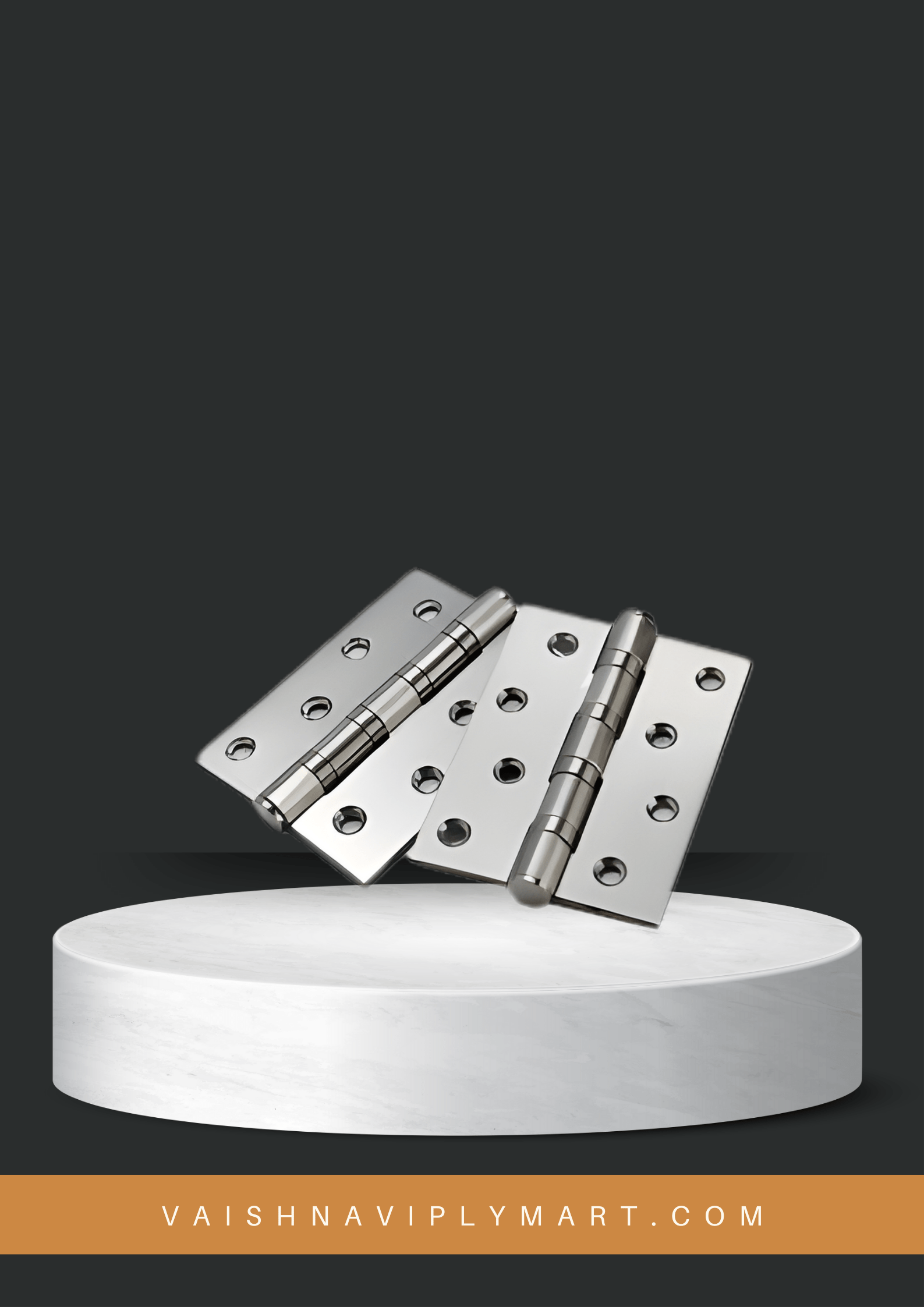
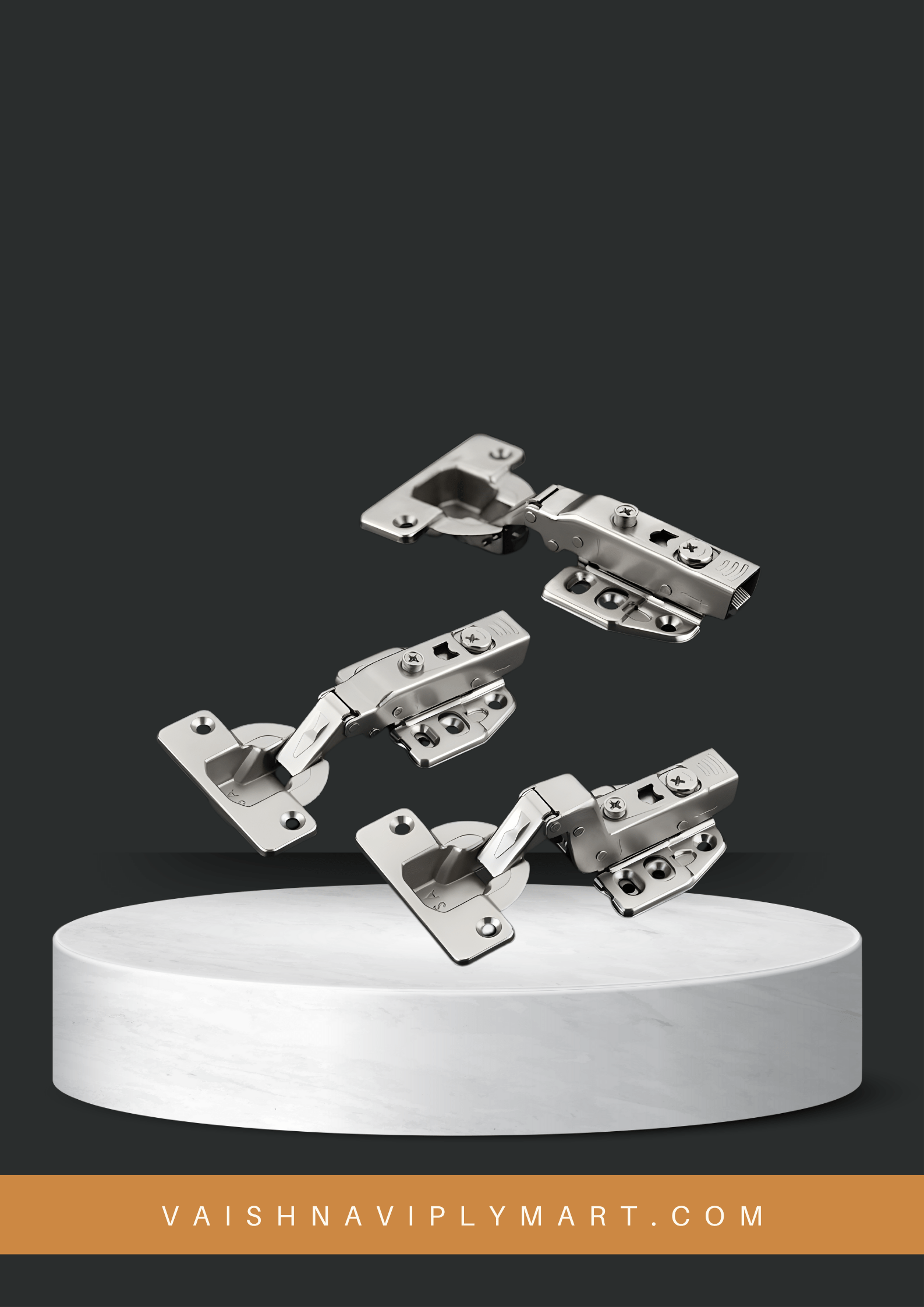
  • Hinges and soft-close systems
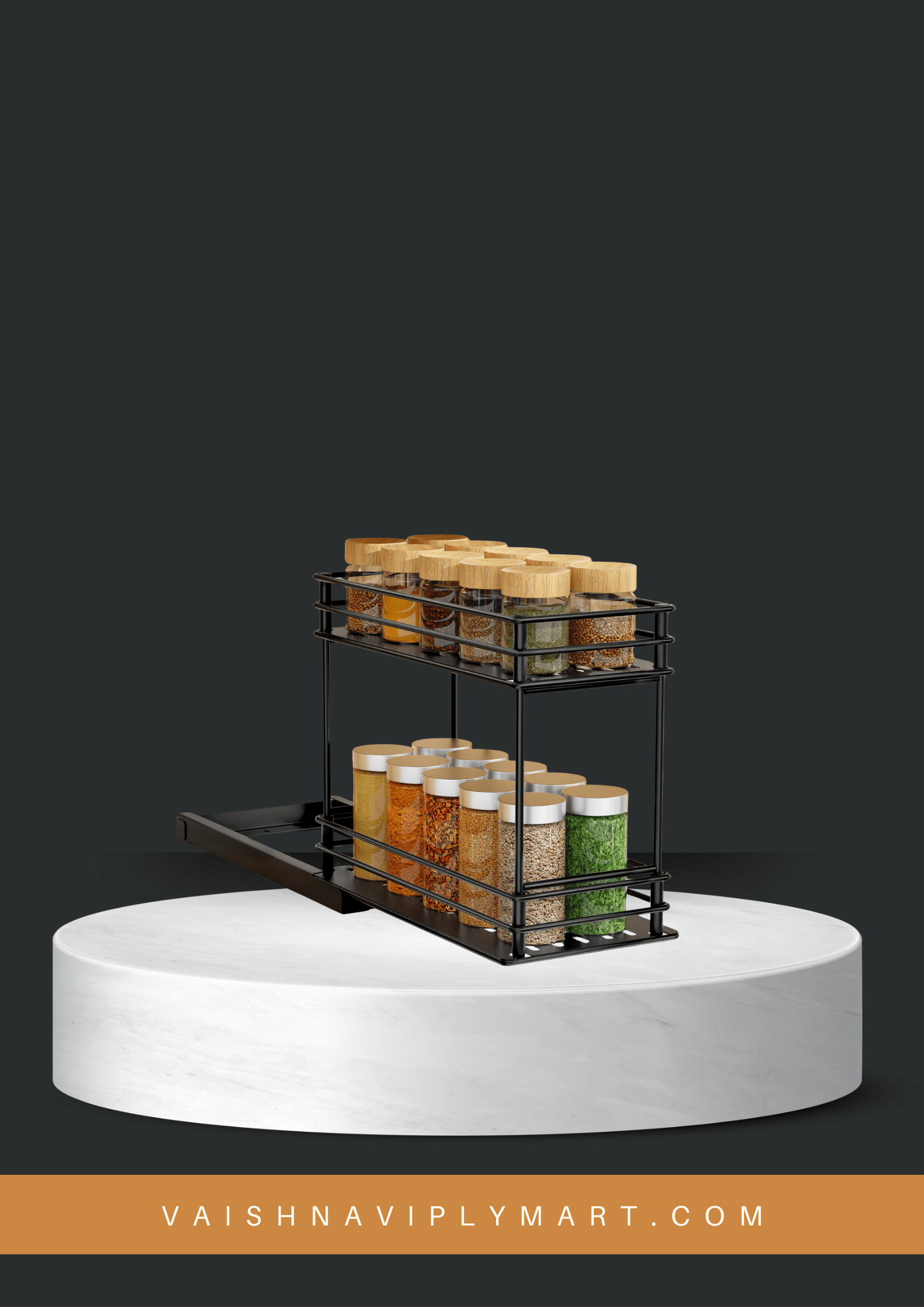
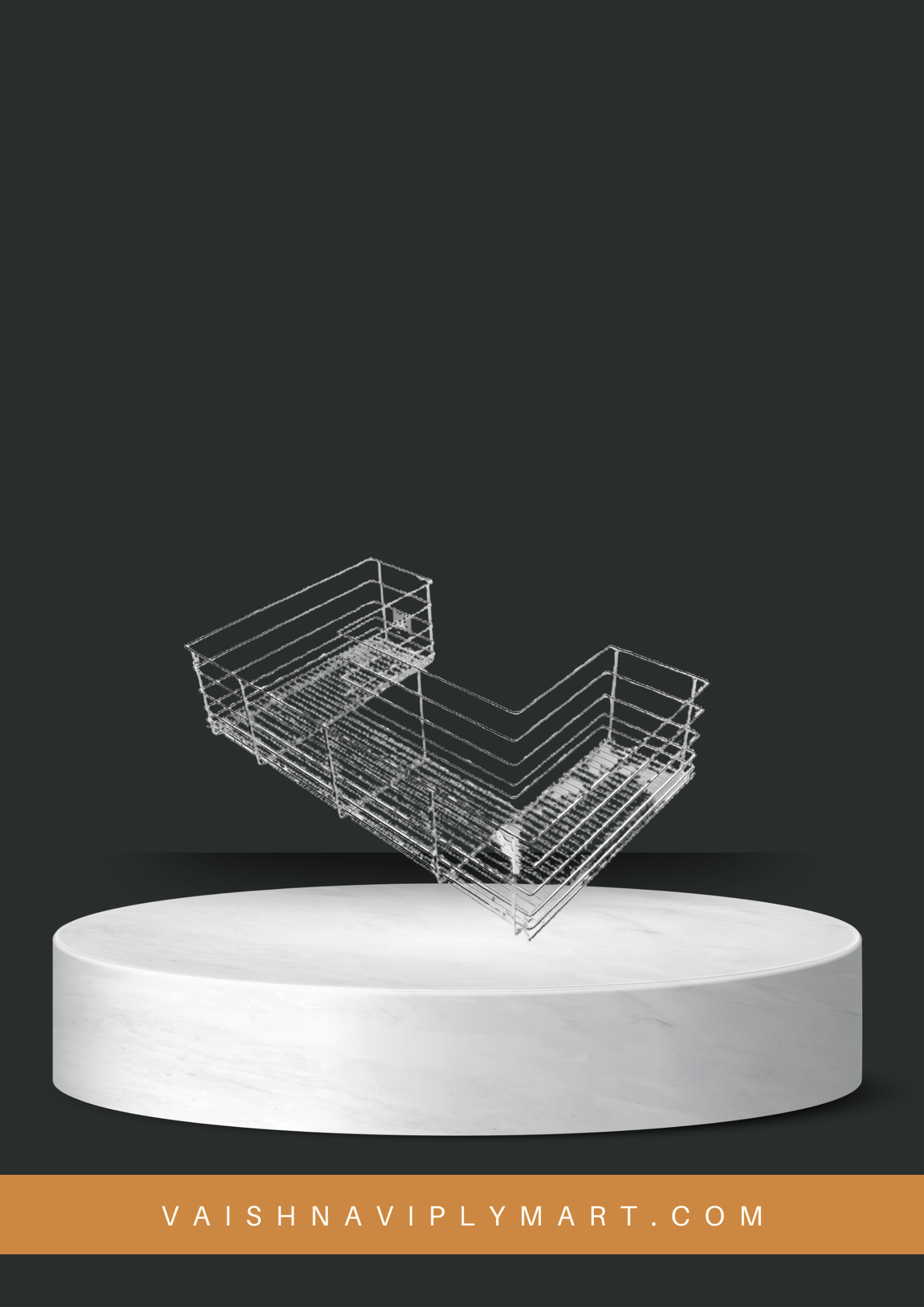
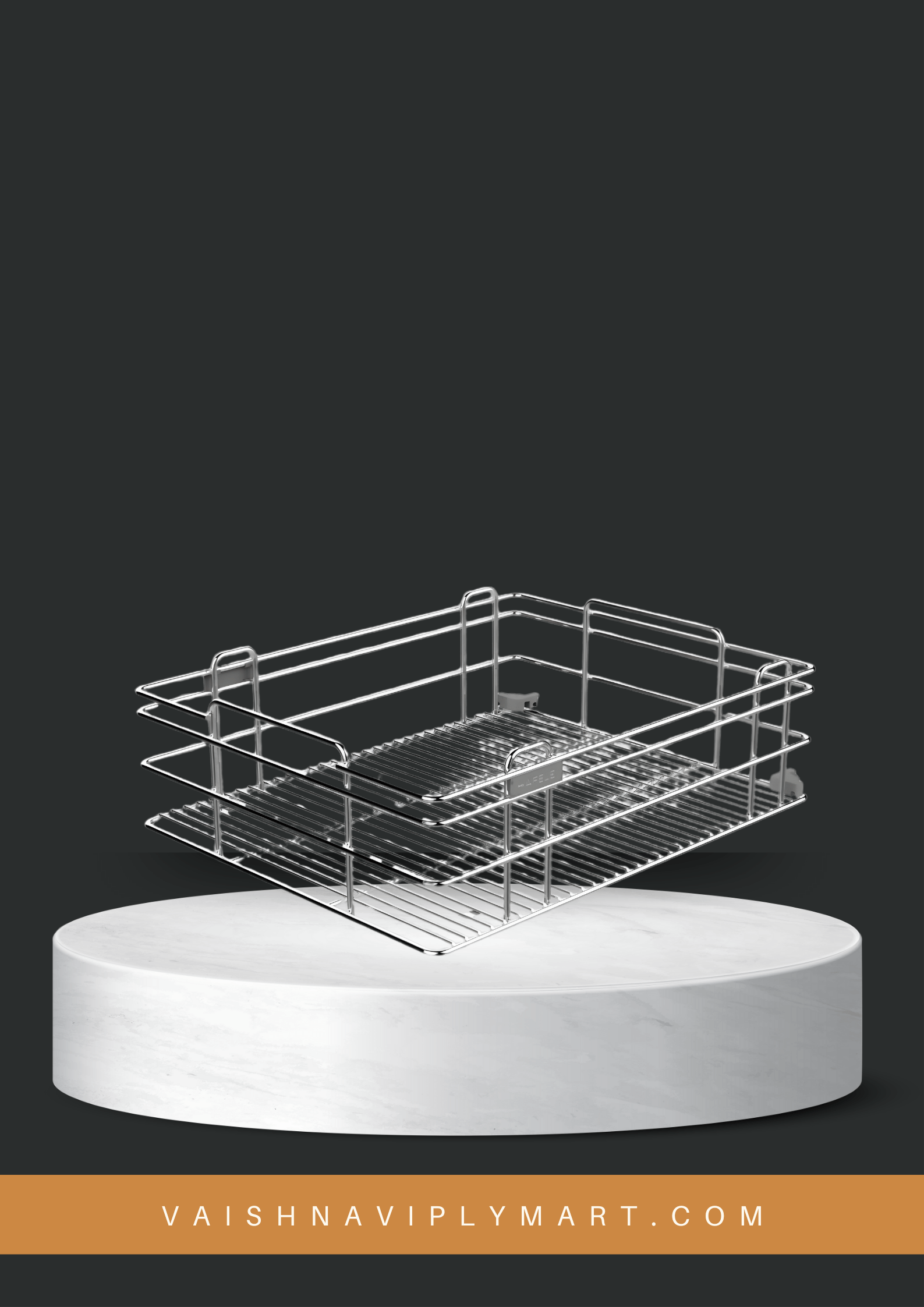
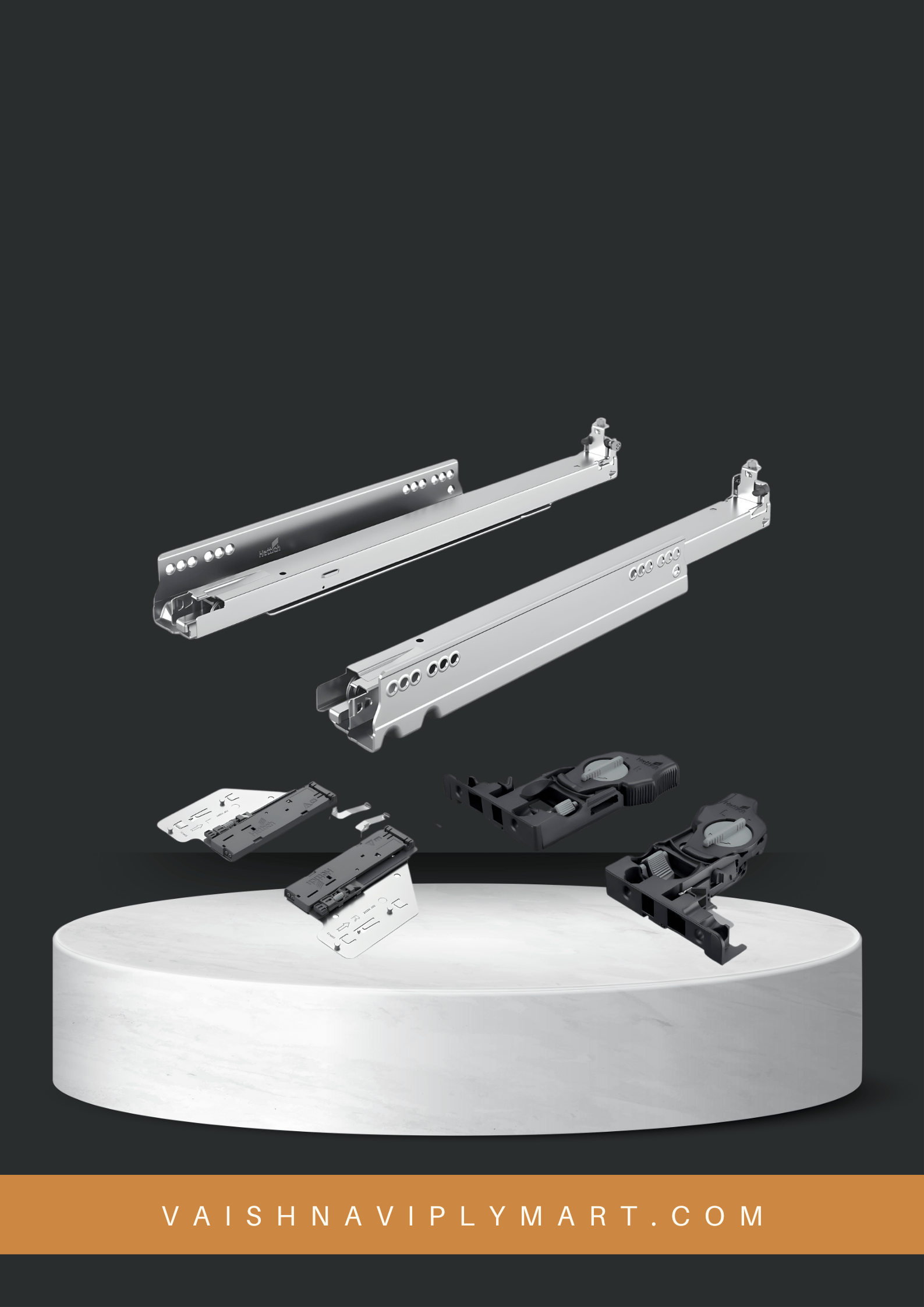
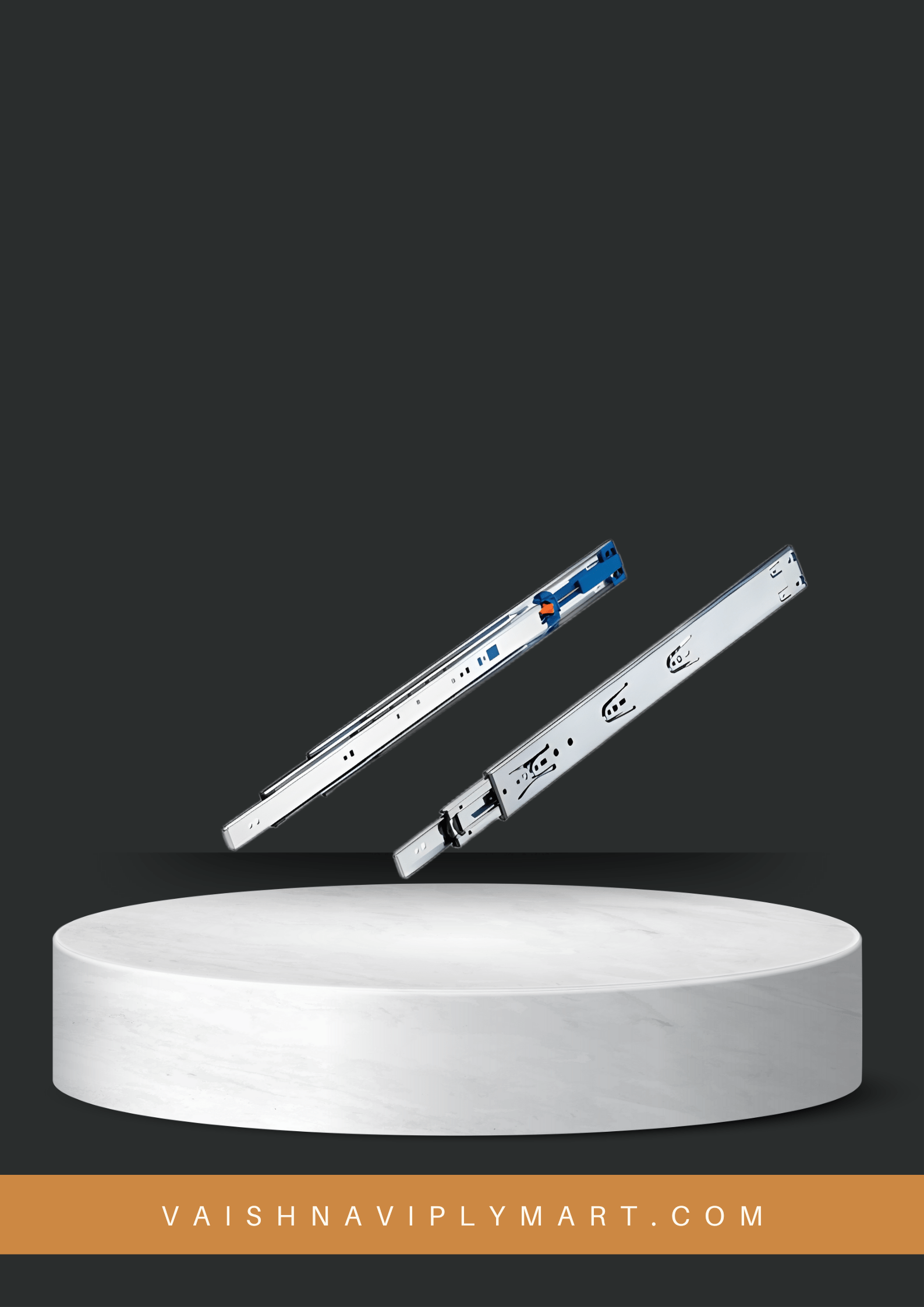
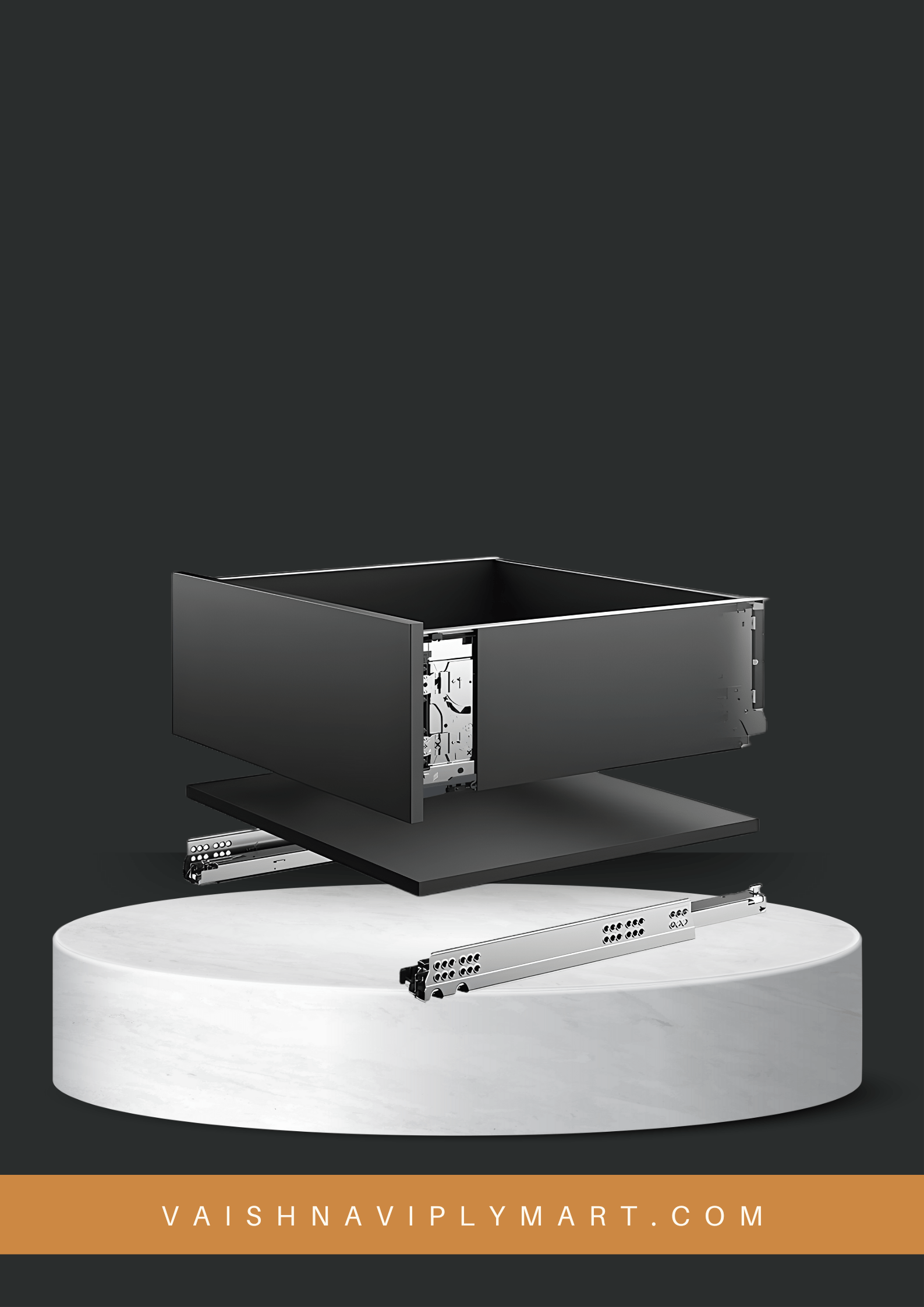
  • Drawer channels and slides
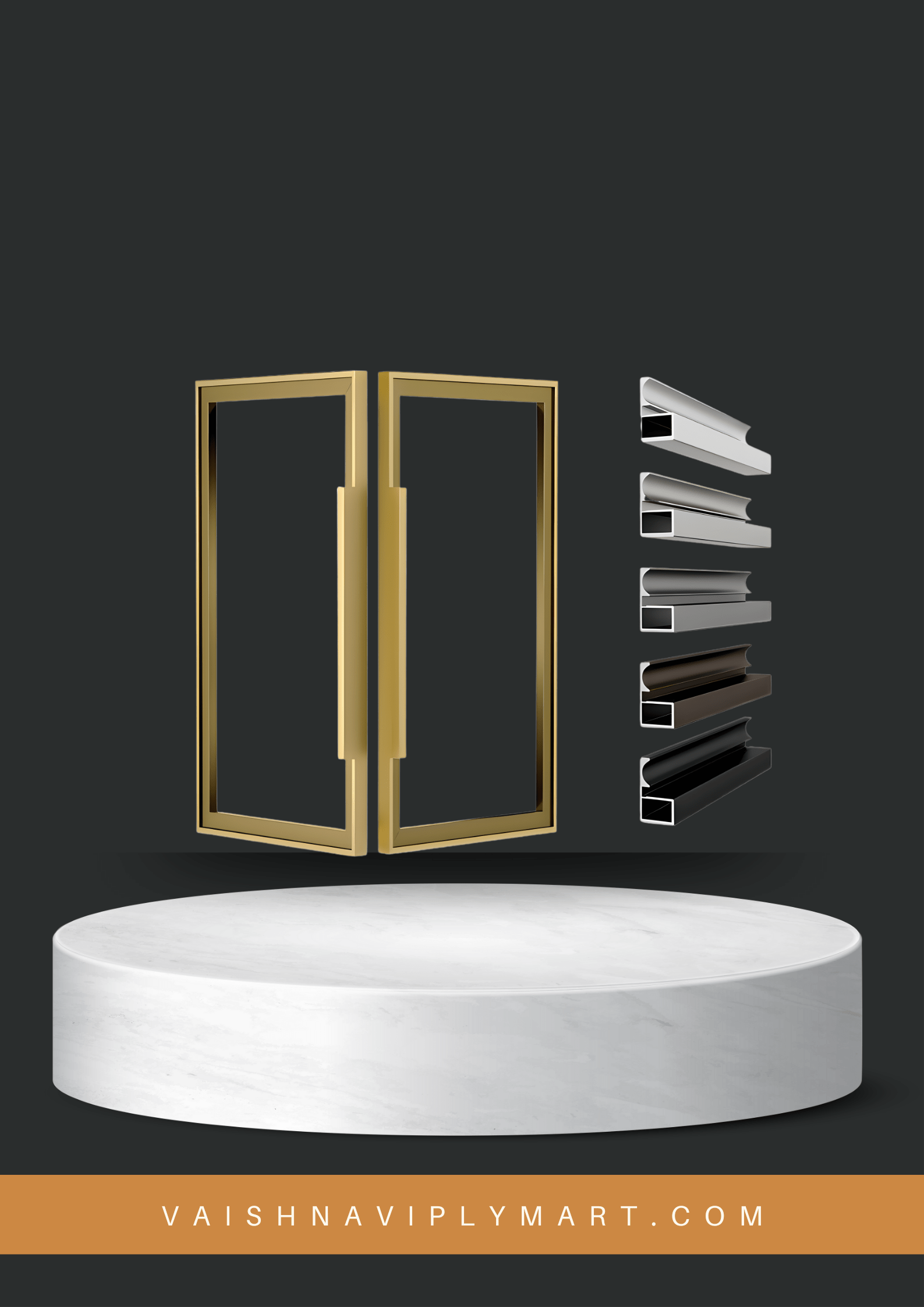
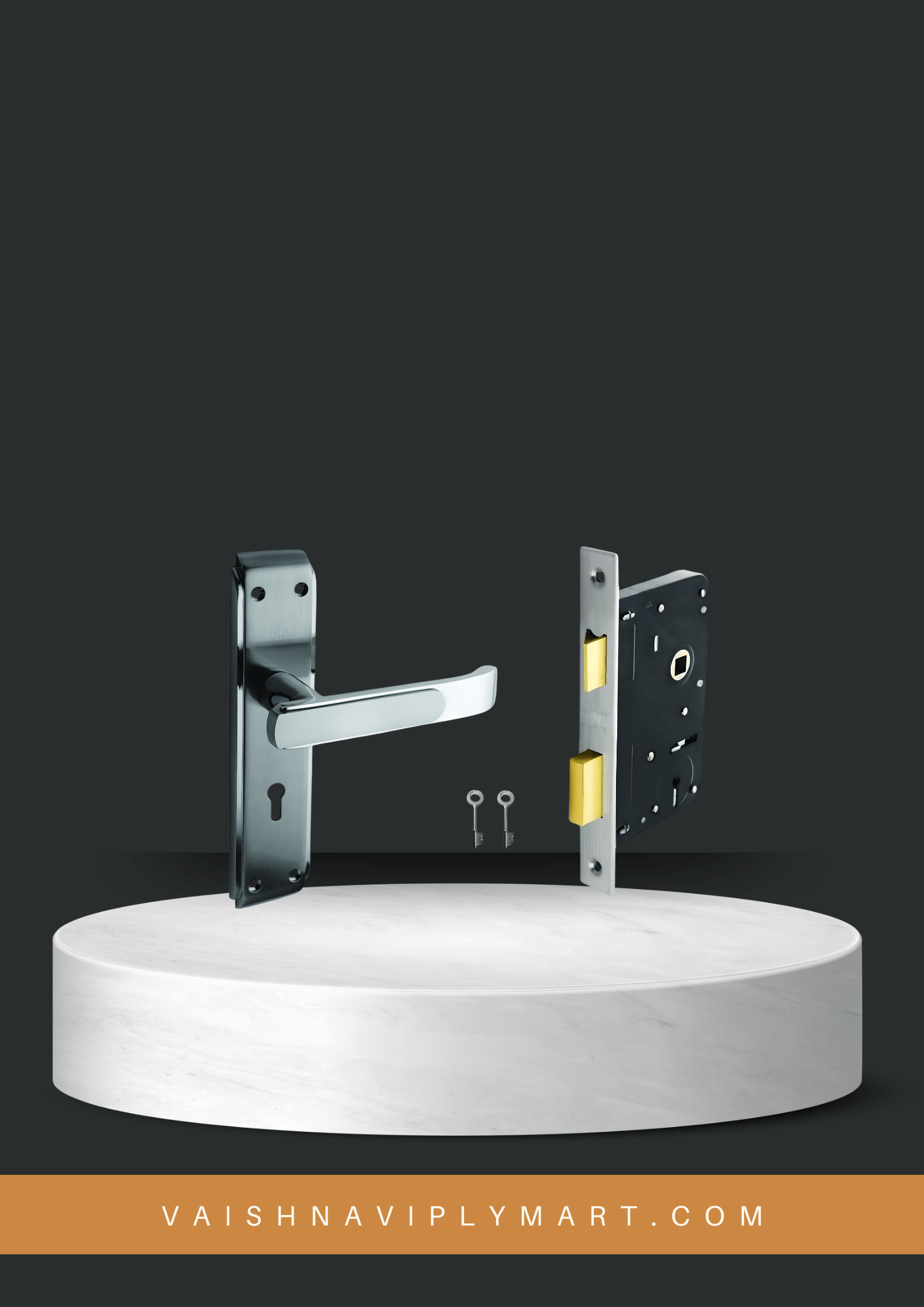
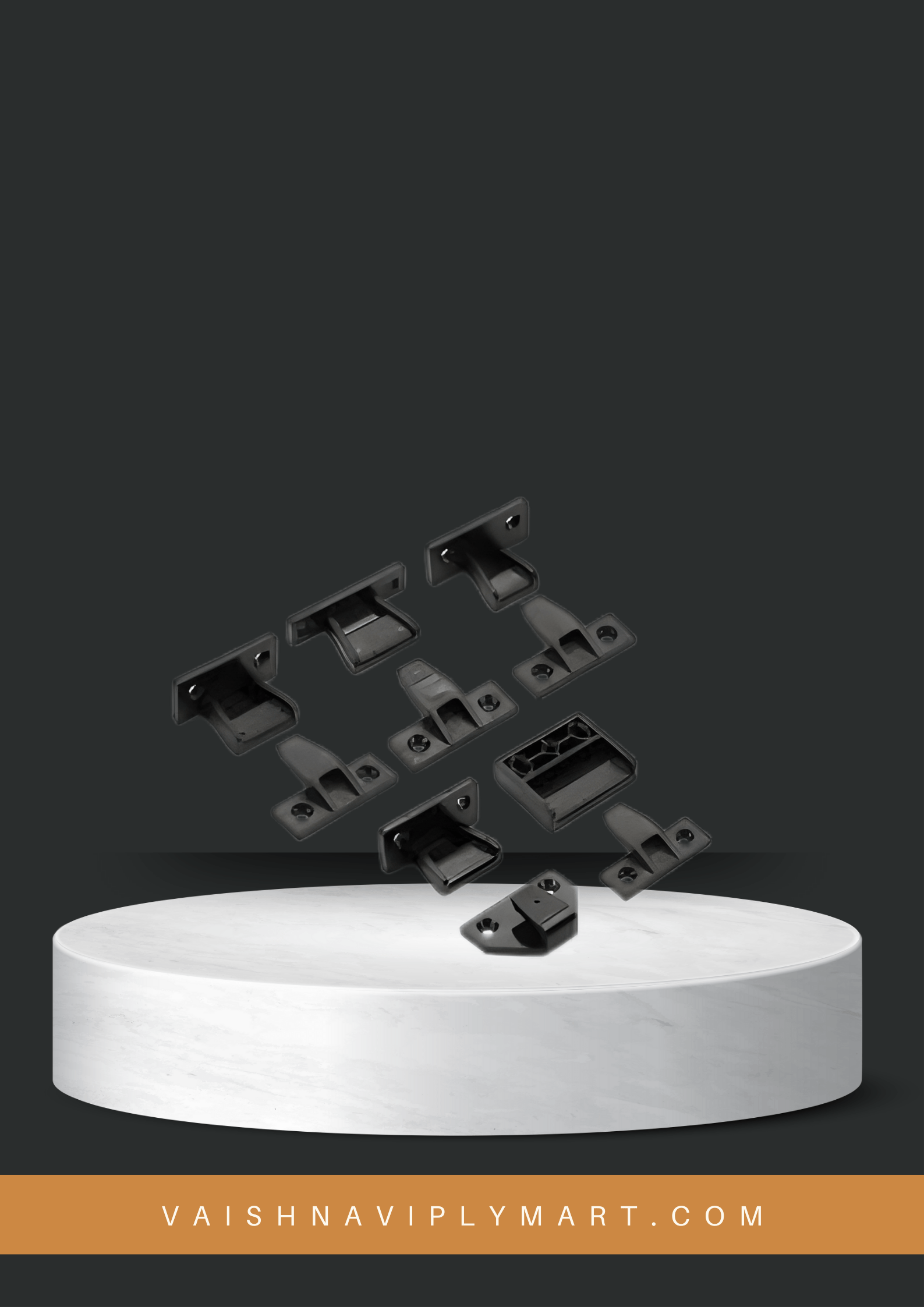
  • Wardrobe fittings and connectors
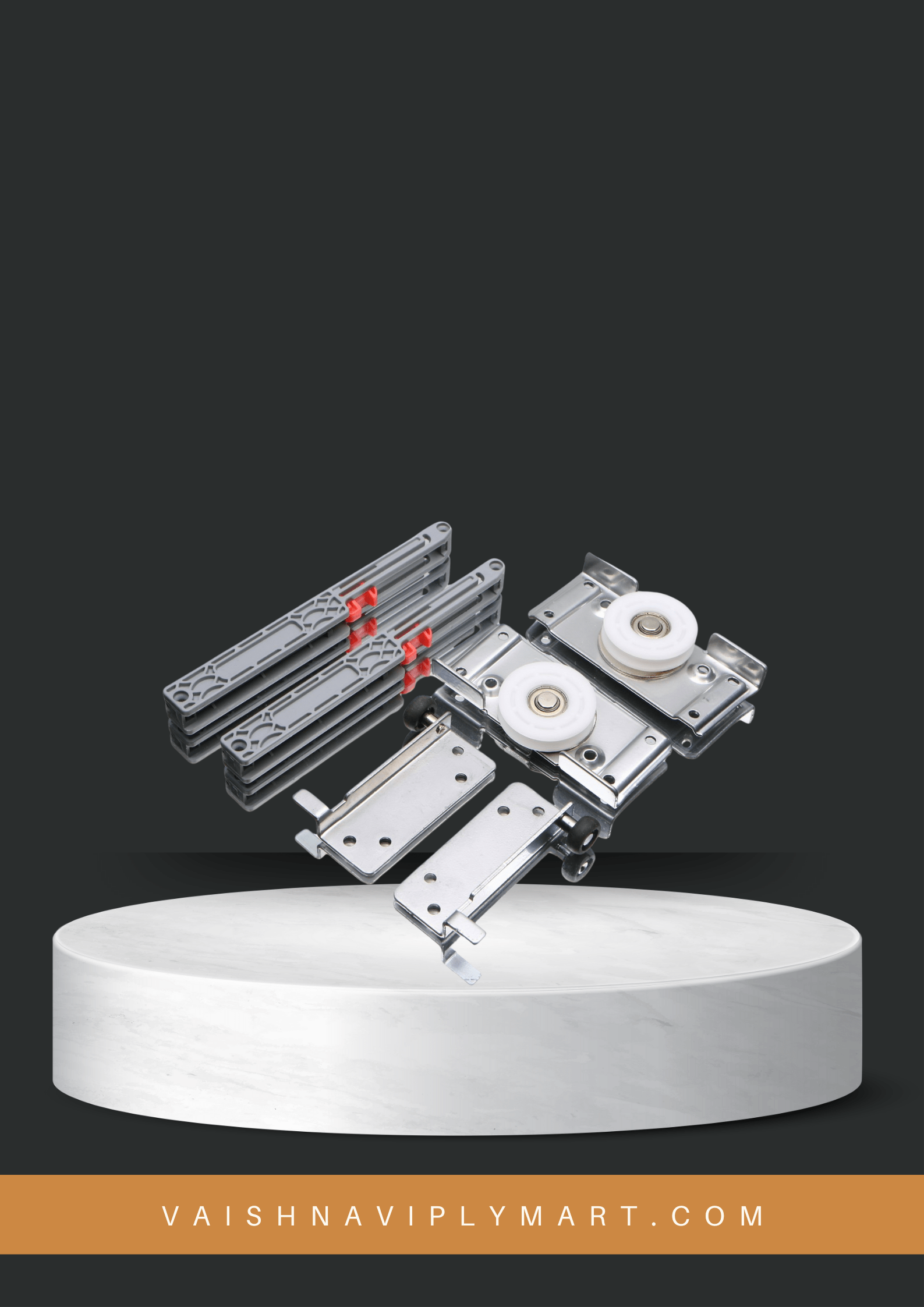
  • Sliding systems and tracks

Although these parts stay hidden, they affect comfort and performance every day.

Problems Caused by Low-Quality Hardware

Poor hardware leads to frequent repairs. Drawers stop sliding smoothly. Hinges loosen over time. In addition, noise and misalignment become common. As a result, even premium furniture loses value quickly.

Why Hardware Selection Matters

Good hardware ensures smooth operation and long life. Because it handles weight and movement, it must match cabinet size and usage. Therefore, hardware selection should never be an afterthought.

Key Areas Where Hardware Makes the Biggest Difference

Kitchen Cabinets

Kitchens face constant use and moisture. Soft-close hinges and rust-resistant channels reduce wear and tear.

Wardrobes

Heavy shutters need strong hinges and stable sliding systems. Proper fittings prevent sagging.

Drawers and Storage Units

High-load drawer channels ensure smooth movement even when fully loaded.

How to Choose the Right Hardware

Always consider load capacity and usage frequency. Check compatibility with board thickness. In addition, choose corrosion-resistant finishes for long-term performance.

Common Hardware Mistakes to Avoid

Many people focus only on visible finishes. Others choose hardware based on price alone. Because of this, furniture performance suffers. Instead, function should guide the decision.

Expert Support Makes the Difference

At Vaishnavi Plymart, hardware selection follows practical application needs. The team recommends fittings based on load, usage, and durability. As a result, customers get smoother performance and fewer complaints.

Conclusion

In conclusion, hardware determines how well interiors function over time. Strong boards and good finishes need reliable fittings to perform properly. Therefore, investing in the right hardware protects both comfort and cost.

Planning a kitchen or wardrobe?
Contact Vaishnavi Plymart for the right hardware and complete interior material guidance.

Follow us on Instagram for interior tips, product updates, and material insights.
one-stop interior material store

Why One-Stop Interior Material Stores Are the Future of Home & Commercial Projects

A one-stop interior material store is becoming the preferred choice for modern home and commercial projects. Today, homeowners and professionals want faster execution and fewer mistakes. Instead of visiting many shops for plywood, hardware, and laminates, they now choose one place that offers everything. Because of this approach, projects stay organized, costs remain controlled, and results improve.

Problems with Buying Materials from Multiple Suppliers

Many interior projects face problems because people buy materials from different suppliers. As a result, sizes mismatch, finishes look uneven, and timelines get delayed. In addition, managing many vendors increases stress and confusion. Therefore, projects often lose quality and take longer to finish.

What Is a One-Stop Interior Material Store

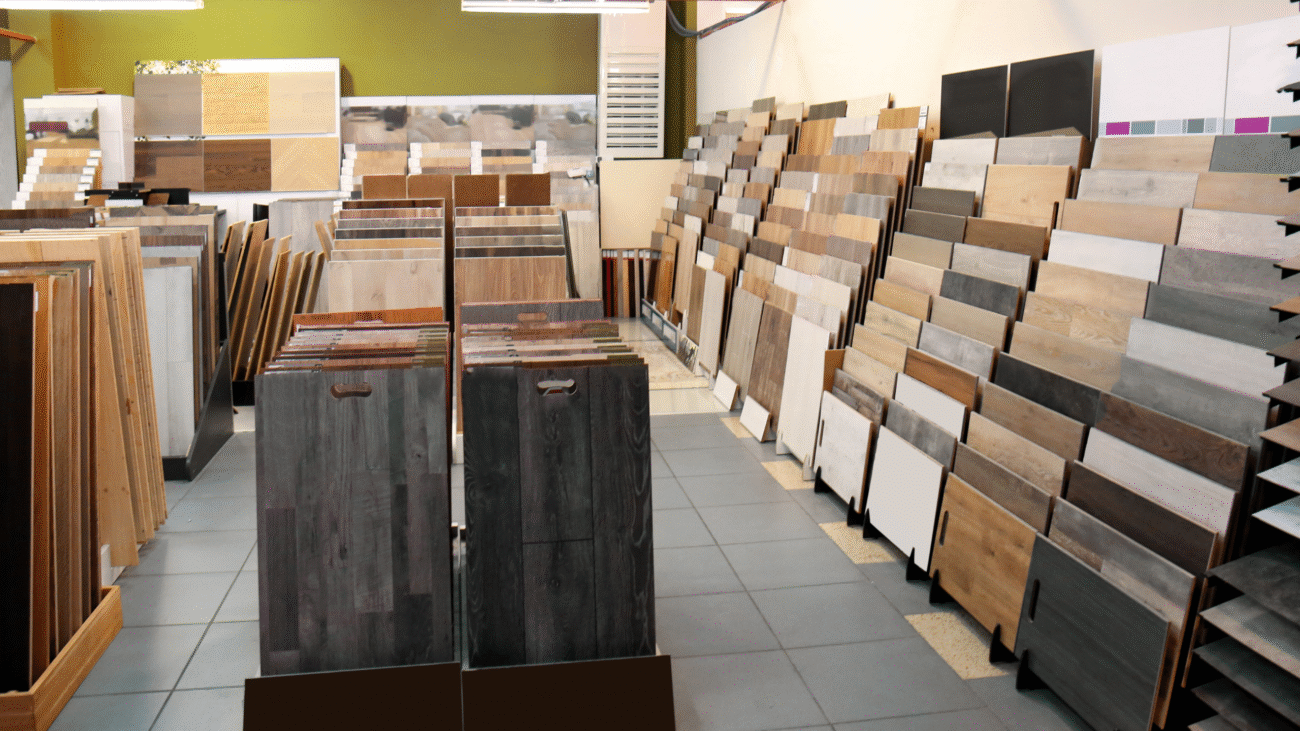
A one-stop interior material store offers all essential materials under one roof. This includes plywood, boards, hardware, laminates, kitchen accessories, adhesives, and building materials. More importantly, it provides guidance on how to use these materials together correctly. Because of this, customers make better decisions from the start.

Why This Model Works Better

Correct Material Selection

First, experts recommend materials based on usage and conditions. They focus on function rather than brand popularity. As a result, customers avoid wrong material choices.

Time and Cost Savings

Second, sourcing from one store saves time and travel. Since everything is available in one place, coordination becomes easier. Therefore, projects move faster and stay within budget.

Better Quality Consistency

Third, materials match in size, finish, and performance. Because compatibility matters, furniture and interiors perform better over time.

Faster Project Completion

In addition, better planning and availability reduce delays. When materials arrive on time, work continues without interruption.

Single Point of Responsibility

Finally, customers deal with one trusted supplier. If a product is unavailable, the store sources it instead of redirecting the customer. As a result, accountability improves.

Why Modern Interiors Need This Approach

Modern interiors rely on precision. Kitchens, wardrobes, and modular furniture need the right boards, correct hardware, and proper adhesives. If one element fails, the entire unit suffers. Therefore, choosing a one-stop interior material store ensures all components work together smoothly.

Who Benefits the Most

Homeowners benefit because they get clear guidance and reliable materials.
Interior designers benefit because they save time and avoid material mismatch.
Architects benefit because specifications remain accurate.
Contractors benefit because execution becomes faster and simpler.

Vaishnavi Plymart’s Way of Working

Vaishnavi Plymart follows an engineering-led approach. Instead of pushing products, the focus stays on solving real project needs. The team recommends materials based on application, durability, and availability. Because of this, customers receive complete solutions, not just individual items.

Conclusion

In conclusion, material sourcing plays a major role in project success. A one-stop interior material store reduces confusion, saves time, and improves quality. Therefore, choosing the right material partner leads to stronger, longer-lasting interiors and a smoother project experience.

Follow us on Instagram for interior tips, product updates, and material insights.
right plywood for home interiors

How to Choose the Right Plywood for Your Home Interiors

Choosing the right plywood for home interiors plays a major role in furniture strength and long-term durability. Many people select plywood based on price alone. However, the right choice depends on where and how you use it. When you understand plywood types and grades, you avoid problems like swelling, bending, and early damage.

Why Plywood Selection Matters

Plywood supports furniture, cabinets, and wardrobes every day. Because of this, using the wrong plywood leads to weak structures and frequent repairs. In addition, moisture and load conditions change from one area to another. Therefore, plywood selection must match the application.

Common Types of Plywood Used in Homes

Commercial Plywood

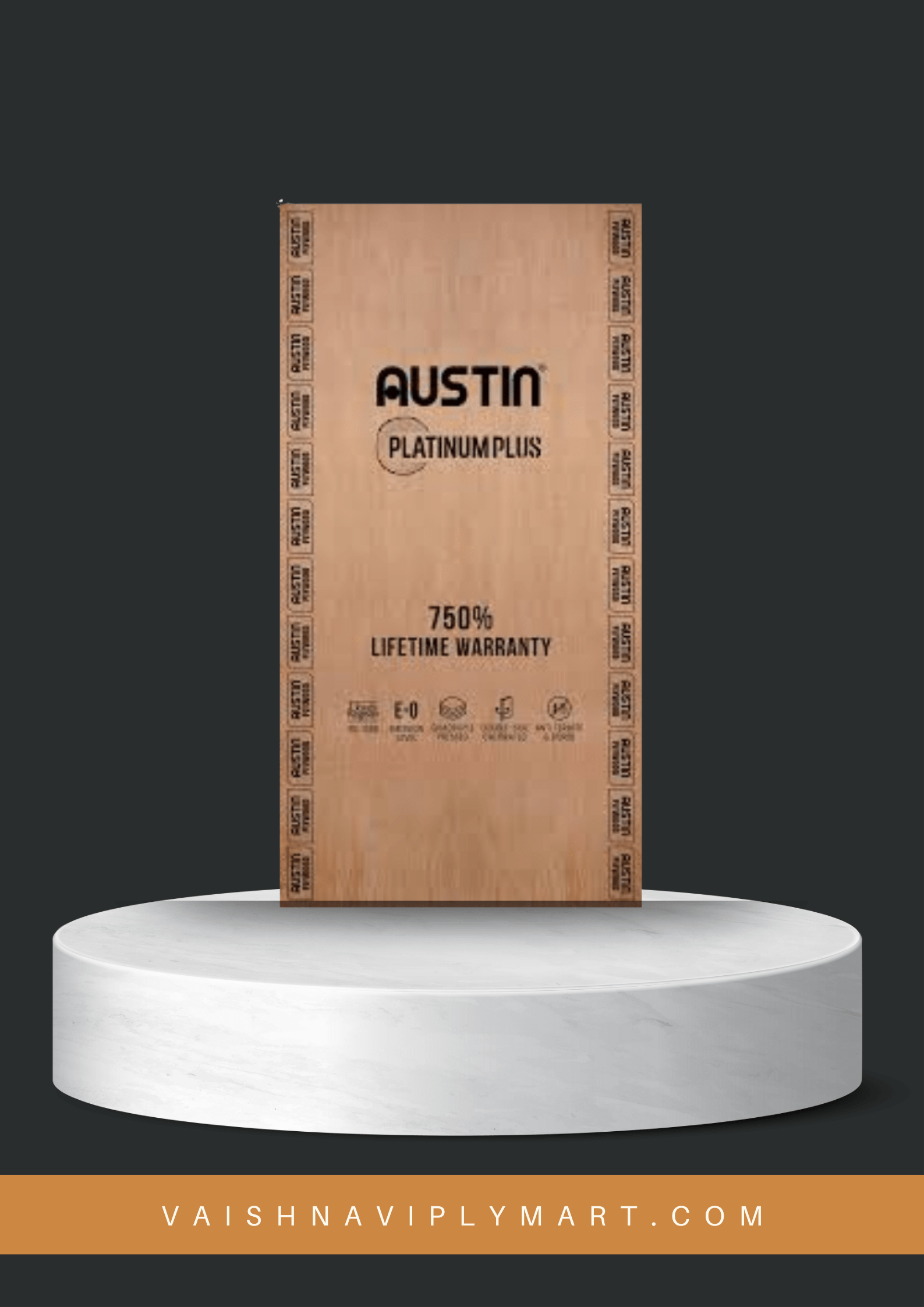
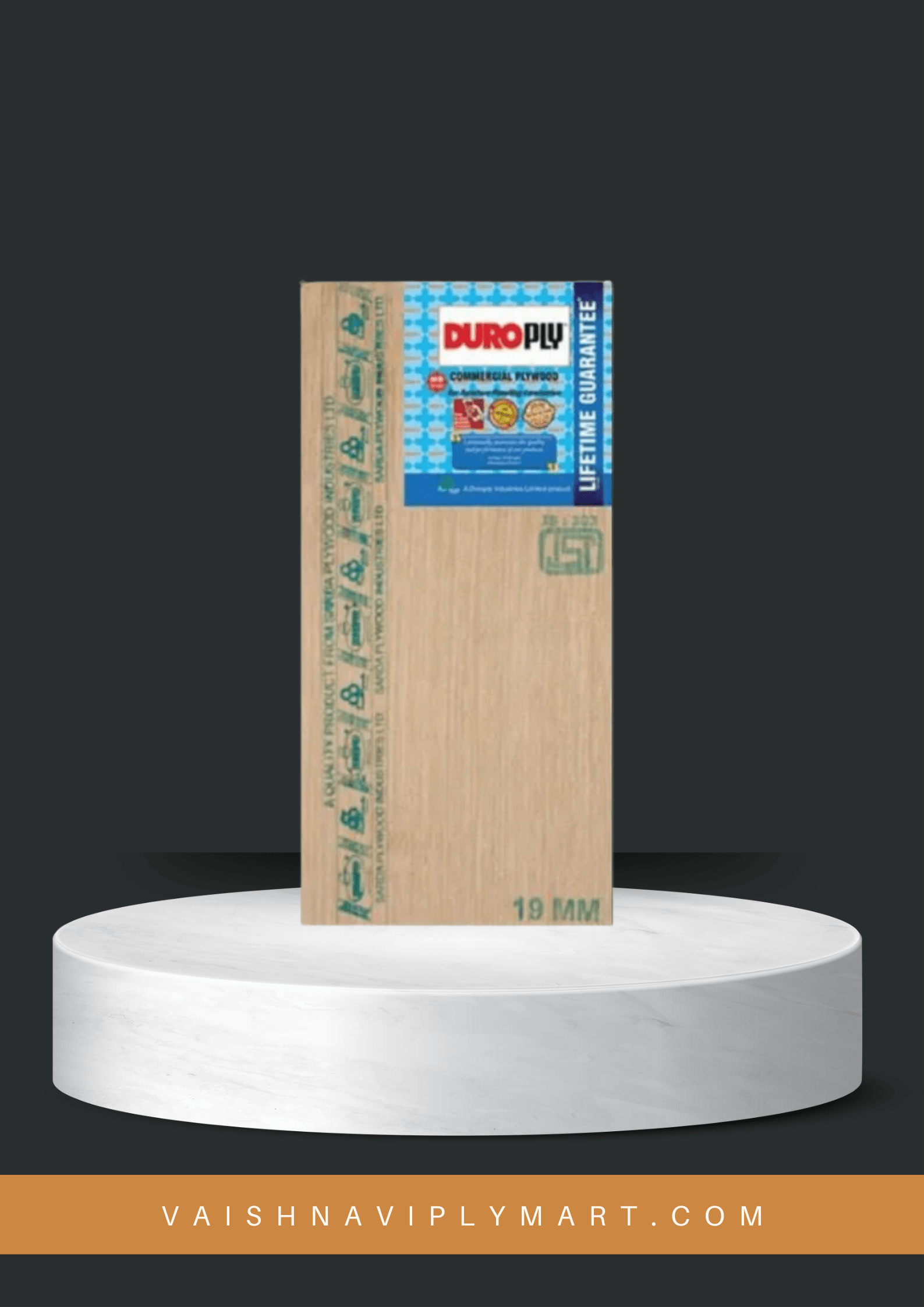
Commercial plywood works well in dry areas such as bedrooms and living rooms. Since it has limited moisture resistance, you should avoid using it in kitchens or wet zones.

BWR Plywood (Boiling Water Resistant)

BWR plywood handles moderate moisture better. As a result, it suits kitchen cabinets and utility areas with controlled water exposure.

BWP / Marine Plywood

BWP plywood offers the highest water resistance. Therefore, it is ideal for kitchens, bathrooms, and areas near sinks.

Block Boards

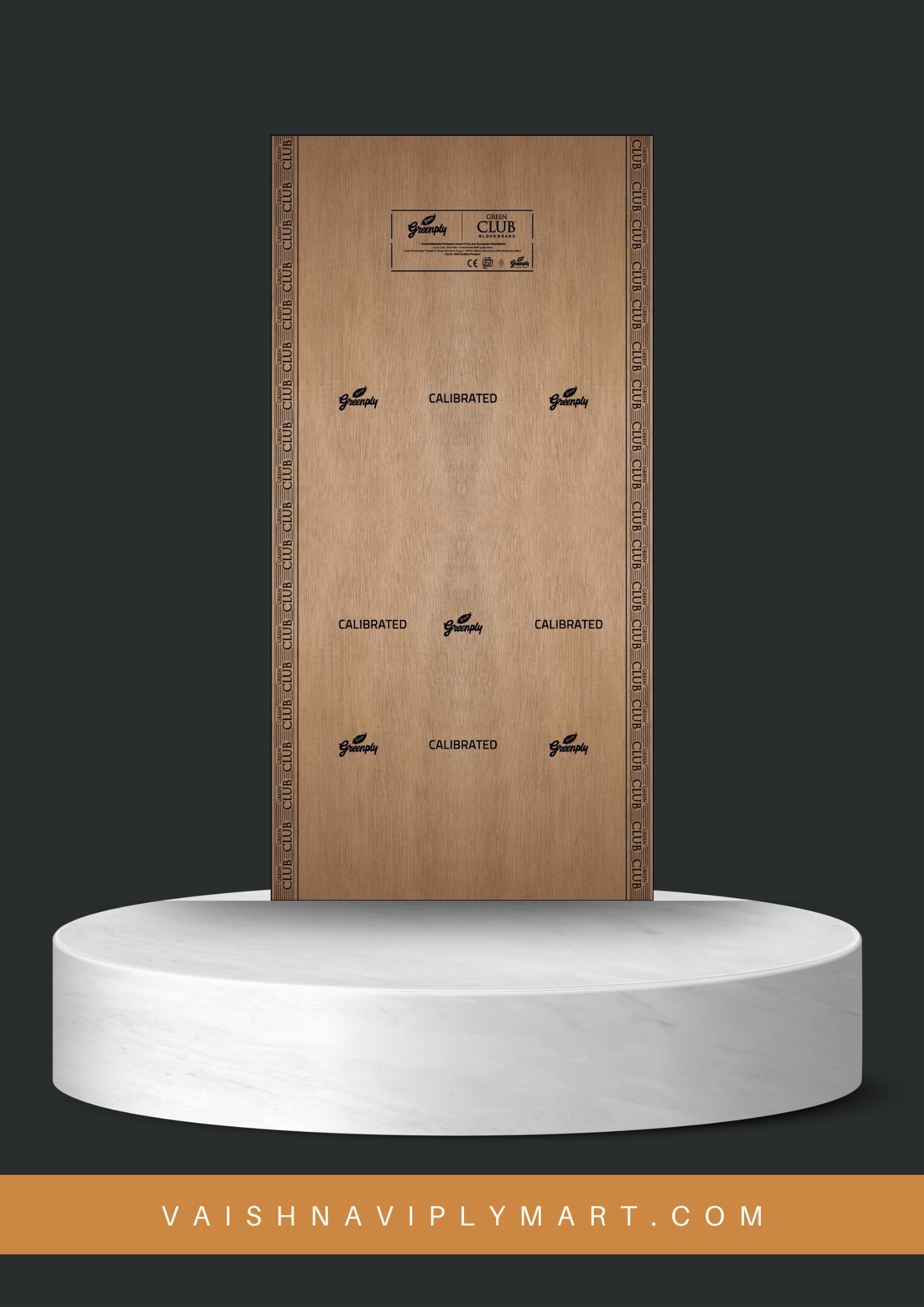
Block boards provide better stability for long panels. Because of this, they work well for doors, partitions, and long shelves.

MDF and HDHMR Boards

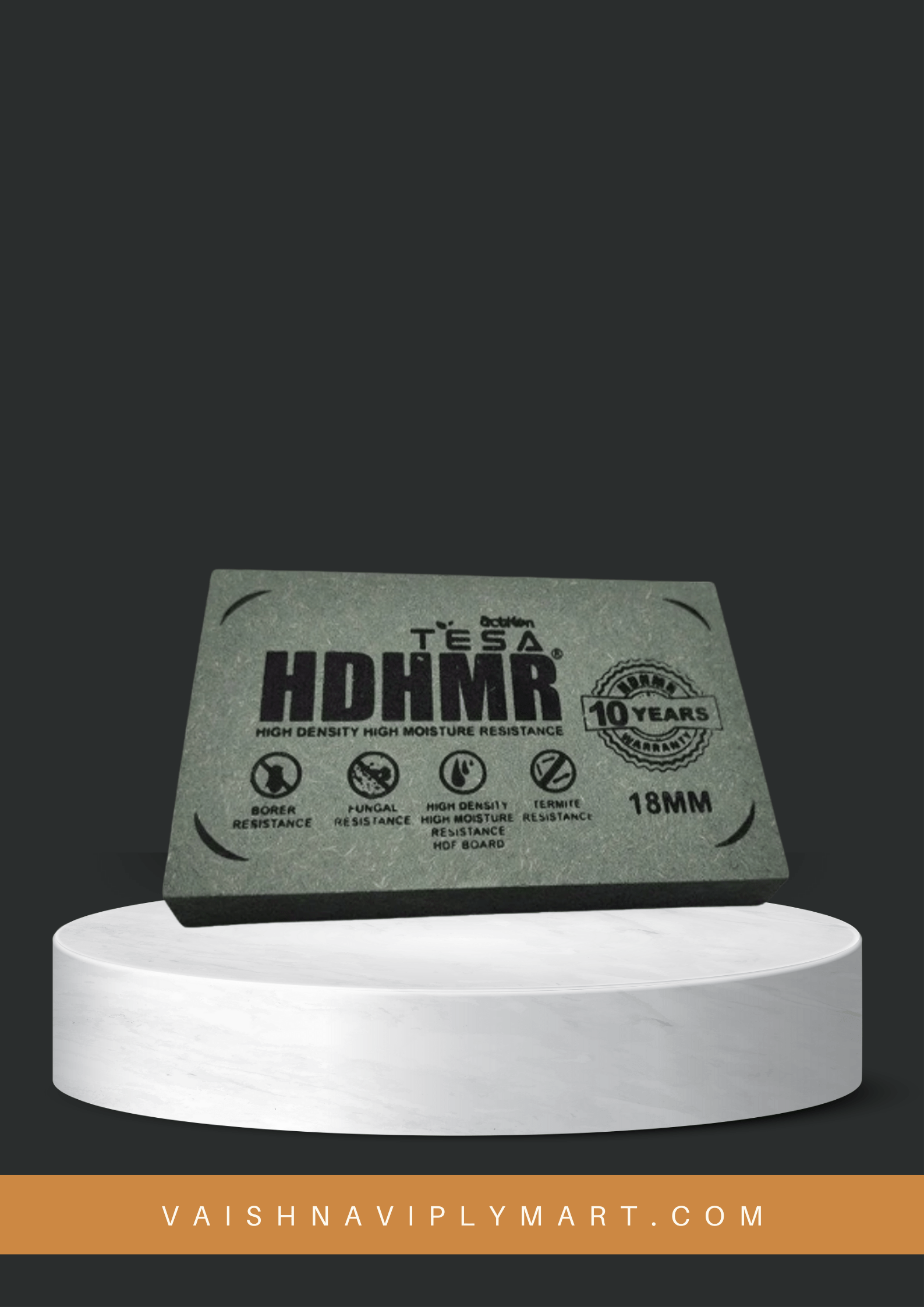
MDF and HDHMR boards suit modular furniture and shutter designs. However, you must use moisture-resistant variants in wet areas.

Understanding Plywood Grades

Plywood grades help identify quality and usage:

  • MR Grade for dry interior areas
  • BWR Grade for moisture resistance
  • BWP Grade for high water exposure

In addition, always check for the ISI mark, which confirms standard compliance.

Choosing the Right Thickness

Thickness affects strength and load capacity. Therefore, select wisely:

  • 6mm–9mm for back panels and partitions
  • 12mm for cabinets and wall panels
  • 18mm–19mm for furniture and kitchen carcasses

Where to Use Which Plywood

For wardrobes and beds, commercial or BWR plywood works well.
For kitchens, BWR or BWP plywood gives better protection.
For bathrooms and sink units, BWP plywood is the safest option.

Mistakes to Avoid When Buying Plywood

Many people choose plywood only based on price. Others ignore core quality or thickness. In addition, using the same plywood everywhere causes problems later. Therefore, always select plywood based on usage, not assumptions.

Expert Guidance Makes a Difference

At Vaishnavi Plymart, material selection follows an application-first approach. The focus stays on durability, performance, and long-term value. Because of this, customers receive the right plywood for each interior need.

Conclusion

In conclusion, choosing the right plywood for home interiors requires basic knowledge and proper guidance. When you match plywood type, grade, and thickness to the application, furniture lasts longer and performs better. Therefore, informed selection leads to stress-free interiors and better results.

Follow us on Instagram for interior tips, product updates, and material insights.